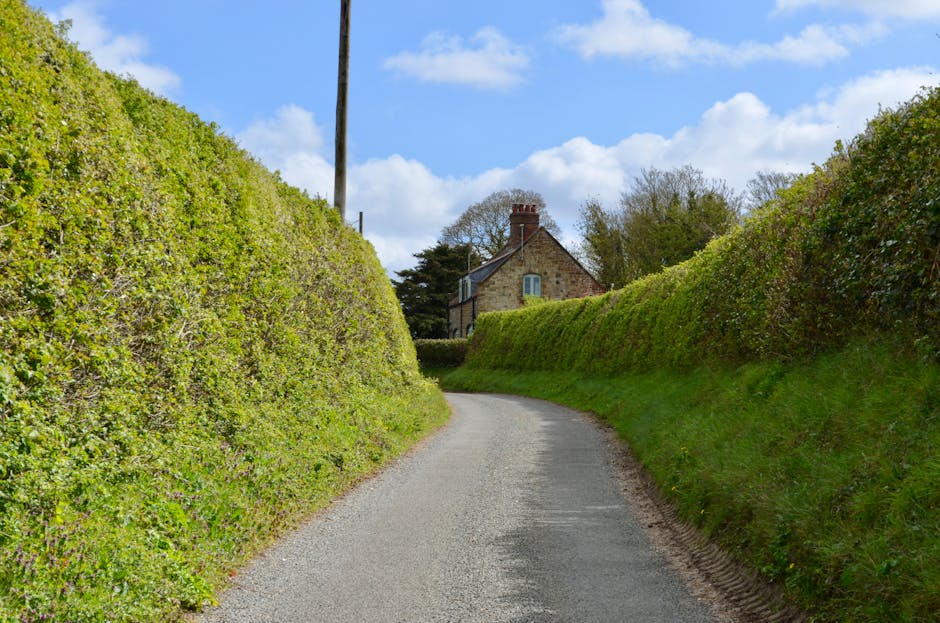
Station Road Longford hedge trimming by local gardeners
If your hedge has started leaning into the pavement, blocking light, or just looking a bit tired, you are not alone. Station Road Longford hedge trimming by local gardeners is one of those jobs that sounds simple until you actually stand there with shears in hand, wondering where to start. A tidy hedge can improve privacy, lift the look of the whole property, and make day-to-day garden care easier. Done badly, though, it can leave gaps, stressed growth, and a frustrating mess on the lawn.
This guide walks you through what local hedge trimming involves, why it matters on a busy residential road, and how a careful gardener would approach the work. You will also find practical tips, common mistakes, a comparison of methods, and a straightforward checklist you can use before booking a visit. If you are planning wider garden work as well, you may find it useful to look at routine garden maintenance and the wider gardening services available locally.
Table of Contents
- Why Station Road Longford hedge trimming by local gardeners Matters
- How Station Road Longford hedge trimming by local gardeners Works
- Key Benefits and Practical Advantages
- Who This Is For and When It Makes Sense
- Step-by-Step Guidance
- Expert Tips for Better Results
- Common Mistakes to Avoid
- Tools, Resources and Recommendations
- Law, Compliance, Standards, or Best Practice
- Options, Methods, or Comparison Table
- Case Study or Real-World Example
- Practical Checklist
- Conclusion
- Frequently Asked Questions
Why Station Road Longford hedge trimming by local gardeners Matters
On a road like Station Road, hedges do more than frame a front garden. They shape how the whole property feels from the street, how much daylight reaches the house, and how easy it is to move past the boundary without brushing into overgrowth. In a practical sense, a hedge is part privacy screen, part boundary marker, and part living structure that needs regular care.
Local gardeners bring something useful here: familiarity with the pace of seasonal growth, the kind of conditions that make hedges thicken quickly, and the realities of working around driveways, paths, parked cars, bins, and neighbours. That local awareness matters. It is not just about cutting green material back. It is about shaping growth so the hedge stays healthy and manageable, not hacked into a box shape that struggles for months afterwards.
There is also the simple matter of curb appeal. A well-trimmed hedge makes a garden look maintained even if the rest is fairly modest. A scruffy hedge does the opposite. Let's face it, you can have a lovely lawn and decent planting, but one shaggy boundary hedge can make the whole place feel untidy.
For homeowners who want a neater entrance, better light, or more privacy without building hard boundaries, hedge trimming is often one of the highest-impact garden jobs you can do. If privacy is a priority, the article on fast-growing hedge options for privacy is a handy companion read, especially if you are planning changes rather than just maintenance.
How Station Road Longford hedge trimming by local gardeners Works
Good hedge trimming is usually a mix of observation, timing, and restraint. A local gardener will normally start by checking the hedge type, its current shape, and how much growth has built up since the last cut. Not all hedges should be treated the same way. A formal hedge needs cleaner lines. A mixed or informal hedge often benefits from lighter shaping. And an overgrown hedge? That can require a careful phased approach, not an aggressive one-day reduction.
The process often begins with a visual assessment. The gardener looks for weak sections, nesting activity if the hedge is in season, signs of disease, and any branches hanging over fences, paths, or neighbour boundaries. Then comes the trim itself: removing stray shoots, re-establishing the hedge line, and shaping the sides so the base is slightly wider than the top. That angle helps the lower growth receive light, which is one of those boring details that makes a big difference over time.
Depending on the hedge, the work might be done with hand shears, cordless hedge trimmers, or a combination of both. Hand finishing is often what separates a decent job from a really tidy one. You can tell when someone has taken the time to neaten the edges. The hedge just looks calmer somehow. Less jagged. Less frantic.
After trimming, a proper gardener will clear the clippings, inspect the shape from a distance, and make small corrections where needed. If there is adjacent work such as hedge line tidying near a fence or wall, coordination with fencing work or broader landscaping can help keep the whole boundary looking coherent rather than patched together.
Key Benefits and Practical Advantages
There are the obvious benefits, and then there are the ones people notice after a few weeks.
- Better light: trimming back dense growth can make a remarkable difference to windows, lawns, and shaded planting beds.
- Improved privacy control: a hedge kept at the right height and width protects sightlines without becoming bulky.
- Healthier growth: regular, careful cutting encourages denser growth in many hedge types and reduces the risk of leggy, uneven patches.
- Cleaner boundaries: it is much easier to maintain paths, drives, and borders when the hedge is not spilling everywhere.
- Less future work: consistent trimming is usually easier and more affordable than rescuing a hedge that has been neglected for years.
There is also a safety and usability angle. Overgrown hedges can narrow walkways, hide low obstacles, and make it awkward to see entrances or corners. In a busy residential setting, that matters. One client may be focused on appearance, while another just wants to stop getting whacked in the face every time they carry the recycling out. Fair enough.
From a garden design point of view, hedge trimming also helps connect the rest of the space. A clean hedge line can make planting beds, patios, and seating areas feel intentional. If you are trying to create a more restful outdoor area, it may be worth exploring zen garden design tips or ideas for better garden seating areas alongside hedge care.
Who This Is For and When It Makes Sense
Hedge trimming is useful for a lot of people, but the reasons differ.
- Front garden owners who want a smarter street-facing appearance.
- Families who need clearer boundaries around children's play areas and access routes.
- Dog owners who need safer, more usable spaces and fewer hidden trip hazards. If that sounds familiar, the guide on gardening with your dog in mind may help.
- Busy households that simply do not have the time, tools, or ladder confidence to do the job properly.
- Landlords and property managers who want external spaces to stay presentable with minimal hassle.
- Anyone dealing with a hedge that has become too tall, too wide, or too woody.
It makes sense to book hedge trimming when growth is active and the hedge needs shaping rather than emergency rescue. That said, if the hedge is already blocking access, touching windows, or creating a neighbour issue, it is better not to wait for a perfect season. Sometimes you just need it sorted.
For gardens that are looking a bit neglected overall, hedge work can be part of a broader recovery plan. The piece on refreshing a neglected garden is a solid place to start if you are dealing with more than one tired corner.
Step-by-Step Guidance
If you are trying to understand what a professional approach should look like, here is the typical sequence.
- Inspect the hedge. Check density, height, width, and whether it is formally shaped or naturally loose.
- Confirm the right timing. Some hedges respond better to light regular trims; others need more cautious seasonal cuts. If in doubt, a local gardener will usually choose the least disruptive approach.
- Clear the work area. Move pots, toys, hoses, and anything else that could get in the way. A five-minute tidy-up saves a lot of awkward stepping around later.
- Set the shape. The gardener establishes the line before cutting deeply. This is especially important if the hedge has drifted unevenly over time.
- Trim in stages. Start with the sides, then the top, then finish with detail work. Cutting everything in one reckless sweep is how hedges end up looking weird.
- Step back and review. Good trimming is not done at arm's length alone. It is checked from the road, the garden, and the window view.
- Clear and finish. Clippings are removed, the boundary is tidied, and any awkward patches are touched up.
- Plan the next visit. Regular maintenance is usually easier than waiting for a full reset next year.
One small but useful point: some hedges recover better when trimmed gradually rather than reduced by a large amount all at once. That is especially true if the hedge has gone wild. A patient gardener will often prefer to bring it back over more than one visit rather than shock the plant. That little bit of restraint saves grief later.
Expert Tips for Better Results
Here is where a few simple habits make the difference between "fine" and genuinely good.
- Keep the base slightly wider than the top. This helps light reach the lower foliage and avoids the classic bare-bottom hedge problem.
- Work with the hedge's natural habit. A formal yew hedge and a relaxed laurel hedge do not want identical treatment.
- Trim little and often where possible. Light regular trims are usually cleaner than one dramatic cut after months of neglect.
- Watch for hidden obstructions. Lights, cables, signs, guttering, and boundary fittings can all be damaged if you rush.
- Don't forget the "street view". What looks straight from inside may look wavy from the pavement.
- Finish by hand. Even if powered tools do the heavy lifting, hand tidying at the end gives a neater edge.
In our experience, the best results come from gardeners who can balance neatness with plant health. That sounds obvious, but it really is the point. A hedge is not a sculpture. It is living growth, and it changes with the season.
If your garden gets a lot of weather stress, it may also help to pair hedge care with broader preparation. The advice in severe weather garden preparation and handling high winds in your garden is especially relevant for exposed spots.
Common Mistakes to Avoid
Most hedge problems are not mysterious. They usually come from a handful of avoidable mistakes.
- Cutting too hard at once. Some hedges tolerate reduction better than others. Heavy-handed cutting can leave scars or thin patches.
- Making the top wider than the base. That blocks light lower down and can make the hedge thin out near ground level.
- Ignoring the hedge type. Treating every plant the same is a fast route to disappointment.
- Trimming in poor conditions. Wet weather, high winds, or poor visibility make neat work harder and less safe.
- Forgetting about waste removal. Clippings can quickly make paths slippery and gardens look messier than before.
- Leaving it too long between cuts. Once a hedge gets out of hand, the next trim becomes slower, more awkward, and usually more expensive.
Another common one: people trim the hedge and then forget the rest of the border. The hedge looks smart, but the base is full of weeds, ivy, or rough edges. If that sounds familiar, a follow-up weed tidy may help, and the article on strategic weed control tips is worth a look.
And yes, I have seen people use a ladder on uneven ground and then act surprised when it feels sketchy. Not recommended. Not even a bit.
Tools, Resources and Recommendations
For straightforward hedge trimming, the right kit matters more than people expect. A tidy cut is often down to control rather than brute force.
| Tool or Resource | Best For | Why It Helps |
|---|---|---|
| Hand shears | Finishing and small hedges | Gives precise control and a cleaner edge |
| Cordless hedge trimmer | Medium hedges and regular maintenance | Speeds up the main cut without a trailing cable |
| Rake and tarpaulin | Clipping collection | Makes tidy-up much easier |
| Sturdy gloves and eye protection | General safety | Reduces common injury risks from debris and sharp stems |
| Long-reach tools | Taller hedges | Helps avoid unstable ladder work where possible |
For homeowners who like to understand the broader toolkit, top equipment for keen outdoor gardeners offers useful background. If hedge trimming is part of a more general tidy-up, it can also be sensible to bundle it with lawn mowing or lawn care so the garden looks consistently maintained in one visit.
Practical recommendation? If the hedge is tall, close to boundaries, or awkwardly placed, choose a gardener who is comfortable handling the full job rather than just the visible top layer. There is a lot going on above eye level that people miss from the ground.
Law, Compliance, Standards, or Best Practice
Hedge trimming can touch on neighbour relations, access, and safety, so it is worth approaching the work with care. While the exact details can vary by location and situation, a sensible professional standard in the UK usually includes respecting property boundaries, avoiding damage to shared fences or walls, and ensuring that waste is handled responsibly.
If a hedge overhangs a pavement, driveway, or boundary line, it is best to keep the work neat and well documented internally, especially if there is any chance of dispute later. A calm conversation with neighbours before major reductions can prevent awkwardness. A lot of garden issues are really communication issues wearing muddy boots.
Safe working practice also matters. Good gardeners should use suitable equipment, keep the site as tidy as possible, and avoid creating hazards with loose cuttings or unstable access methods. If you want to understand how a provider approaches this side of the job, the pages on health and safety policy and insurance and safety give a clearer picture of the standards behind the service.
For bookings, pricing clarity and fair expectations are also important. If you are comparing quotes, the guidance on pricing and quotes and terms and conditions is useful, especially where a job includes access constraints, heavy waste, or follow-up visits.
There are also general trust signals that matter to many readers: privacy handling, payment security, complaints handling, and responsible business practice. Those are not glamorous, but they are reassuring. You can review privacy policy, payment and security, complaints procedure, and modern slavery statement if those details matter to you.
Options, Methods, or Comparison Table
There is more than one way to trim a hedge, and the right choice depends on height, density, and the finish you want.
| Method | Best Use | Strengths | Trade-Offs |
|---|---|---|---|
| Hand trimming | Smaller hedges, finishing, detail work | Excellent control, very neat finish | Slower on larger hedges |
| Powered trimming | Routine maintenance on medium to large hedges | Fast, efficient, consistent | Can look harsh if not finished well |
| Reduction and reshaping | Overgrown hedges | Restores structure and access | May need staged work over time |
| Light maintenance trim | Healthy hedges kept in shape | Best for long-term plant health and appearance | Needs regular scheduling |
If you are trying to decide between hedge trimming and a larger boundary project, it can help to think about the wider garden picture. A hedge that is part privacy screen, part design feature, might sit alongside fencing or even a broader landscaping plan. That way, you are not solving one issue only to create another.
There is no one perfect method. The best method is the one that suits the hedge, the season, and the level of care the plant needs. Simple as that.
Case Study or Real-World Example
Here is a realistic example from a typical residential setup near Station Road. A front hedge had become uneven after two growing seasons with only occasional cutting. From the road, it looked patchy and slightly bowed outward. From the front window, it was casting more shade than the homeowner wanted, and the lower stems were starting to look sparse.
A local gardener began with a light assessment rather than a heavy cut. The hedge was trimmed back in stages, with attention paid to keeping the base slightly wider than the top. The work was split between a powered trim for the bulk of the growth and hand finishing for the edges. Clippings were cleared immediately, because nobody enjoys stepping over a pile of sticky hedge cuttings for the rest of the afternoon.
The result was not dramatic in a flashy way. It was better than that. The hedge looked balanced again, the path felt wider, and more daylight reached the front garden. The homeowner then chose to pair the hedge visit with a little extra tidy-up, including border clearing and ongoing garden care. A small job became a sensible maintenance habit.
That is often the real story with hedge trimming. It is not about one heroic cut. It is about restoring shape, then keeping on top of it before the job becomes a headache.
Practical Checklist
Before booking or starting hedge trimming, run through this quick checklist.
- Confirm which hedge or hedges need attention.
- Check whether access is clear for tools and waste removal.
- Decide if you want a light tidy, a shape correction, or a larger reduction.
- Look for any nesting, damaged branches, or signs of disease.
- Move fragile pots, ornaments, and hoses out of the work area.
- Consider whether nearby lawn, fencing, or paving should be included in the same visit.
- Ask for a clear explanation of the method and expected finish.
- Check how cuttings will be collected and disposed of.
- Agree a rough schedule for the next maintenance visit.
- Review any relevant service information before booking, including about the team and the available contact options.
Expert summary: the best hedge trimming is usually the least dramatic one that still solves the problem. Keep it neat, keep it regular, and keep it safe. That is the whole trick, really.
Get a free quote today and see how much you can save.
Conclusion
Station Road Longford hedge trimming by local gardeners is about more than clipping away excess growth. It is a practical way to improve light, privacy, safety, and the overall feel of a garden without needing a full redesign. Done properly, hedge care keeps the boundary healthy, tidy, and proportionate to the home it frames.
If your hedge has drifted beyond what a quick weekend tidy can fix, or if you simply want a dependable local pair of hands to keep things under control, the next step is straightforward: get clear on what the hedge needs, think about the finish you want, and choose a gardener who understands both plant health and presentation.
There is something quietly satisfying about stepping outside and seeing a hedge that sits just right. Not overdone. Not wild. Just calm, green, and well kept. That alone can change how the whole garden feels.
Frequently Asked Questions
How often should hedge trimming be done on Station Road?
It depends on the hedge species and how formal you want the shape to be. Many hedges benefit from regular light trimming rather than occasional heavy cuts. A local gardener can suggest a sensible schedule after checking growth rate and hedge type.
Can hedge trimming damage the plant?
Yes, if it is done too aggressively or at the wrong time for the hedge type. Careful trimming should support healthy regrowth, not shock the plant. That is why restraint matters more than speed.
What is the difference between hedge trimming and hedge reduction?
Trimming maintains the current size and shape, while reduction cuts the hedge back to make it smaller overall. Reduction is usually more involved and may need a staged approach if the hedge is very overgrown.
Do local gardeners remove the hedge clippings?
Usually, yes, if that is included in the agreed job. It is worth confirming in advance so there is no confusion. A tidy finish should include clearing the cuttings from paths, borders, and lawns.
Is hedge trimming available as part of regular garden maintenance?
Yes, often it is. Hedge care fits naturally into routine upkeep alongside mowing, edging, and general tidy work. If you want the whole garden to stay under control, bundled visits are often the easiest option.
What time of year is best for hedge trimming in the UK?
That depends on the hedge species and the result you want. Some hedges are happy with repeated light trims in the growing season, while others prefer less frequent attention. When in doubt, ask for guidance before cutting.
Can I combine hedge trimming with lawn or border work?
Absolutely. In fact, it often makes sense to do so. If the hedge is being trimmed, it is a good moment to tidy the lawn and clean up the edge of the border so the whole front of the garden feels coherent.
What should I do before the gardener arrives?
Move pots, toys, garden furniture, hoses, and any fragile items away from the hedge line. Clear access helps the work go faster and reduces the chance of damage. A bit of prep makes a noticeable difference.
How do I know if my hedge needs reshaping rather than just a trim?
If the hedge is uneven, bulging, too wide, or has lost its lower shape, it may need reshaping. A trim usually keeps the current form, while reshaping corrects it. A gardener can usually tell quite quickly once they inspect it.
Are there safety concerns with tall hedges?
Yes. Height, access, falling debris, and proximity to walls, fences, or paths all affect safety. Taller hedges are one reason many people prefer a professional gardener rather than trying to manage the work themselves.
Can hedge trimming help with privacy?
Definitely. A well-managed hedge can provide privacy while still looking neat and letting enough light into the garden. It is often a better balance than letting a hedge run wild and then fighting with it later.
Where can I find more information before booking?
You can review the service pages, read practical garden advice, and check the team's trust pages to understand how the work is handled. If you are ready to discuss the job, the best next step is to use the contact page.