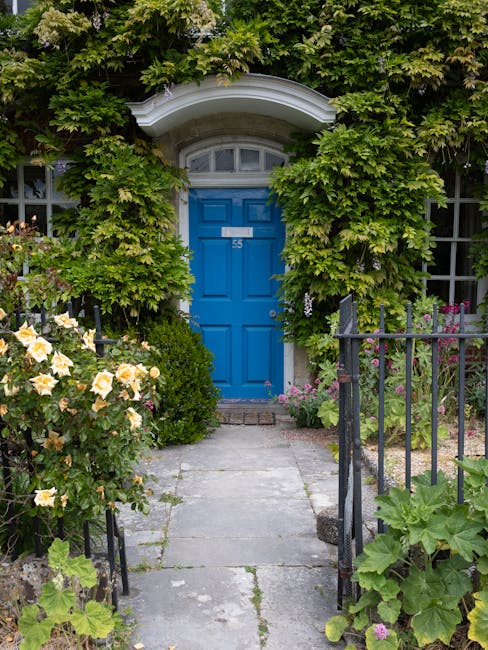
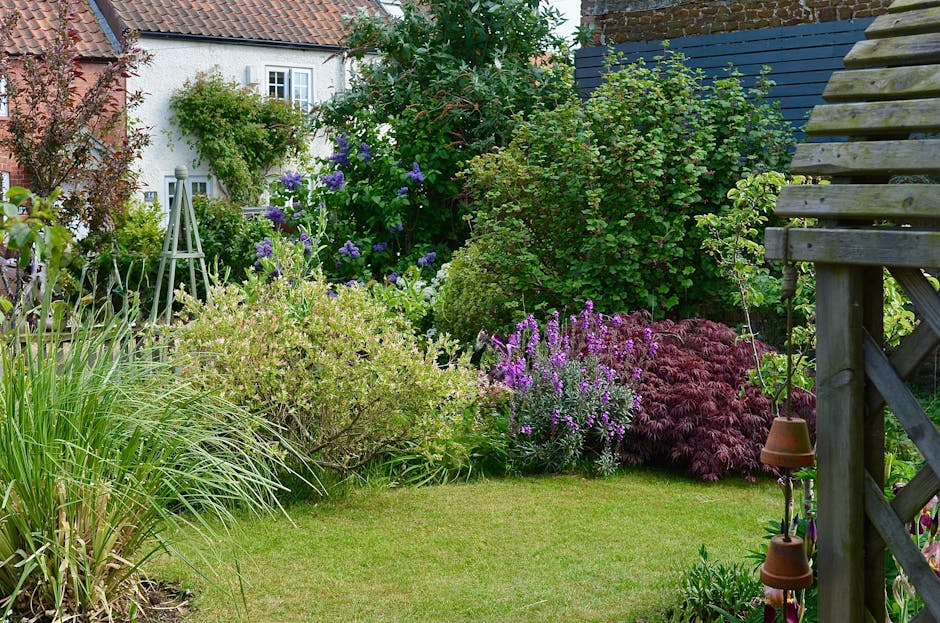
Longford Park gardeners for small front gardens: smart ideas that make a big first impression
If your front garden feels more like a narrow passage than a welcome space, you are not alone. Many homes in and around Longford Park have compact front plots that need to work hard: they should look tidy, feel inviting, stay manageable, and still suit everyday life. That is exactly where Longford Park gardeners for small front gardens can make a real difference. With the right planting plan, edging, surfaces, and maintenance routine, even the smallest entrance can feel calmer, brighter, and more considered. Not bigger. Just better.
This guide walks through what makes small front gardens tricky, how experienced gardeners approach them, and which design choices usually give the best long-term results. You will also find practical checklists, comparison tables, and a few realistic examples to help you decide what your own space actually needs.
Table of Contents
- Why Longford Park gardeners for small front gardens Matters
- How Longford Park gardeners for small front gardens Works
- Key Benefits and Practical Advantages
- Who This Is For and When It Makes Sense
- Step-by-Step Guidance
- Expert Tips for Better Results
- Common Mistakes to Avoid
- Tools, Resources and Recommendations
- Law, Compliance, Standards, or Best Practice
- Options, Methods, or Comparison Table
- Case Study or Real-World Example
- Practical Checklist
- Conclusion
- Frequently Asked Questions
Why Longford Park gardeners for small front gardens Matters
A small front garden does not have the luxury of wasting space. Every square metre has to earn its keep. That means the usual "just plant a few shrubs and see how it goes" approach can quickly turn into clutter, shade, blocked access, and constant maintenance. A well-planned front plot, though, can do quite a lot for you.
In practical terms, a front garden is the first thing people notice. It frames the house, shapes the path to the door, and often carries more day-to-day wear than the rear garden because of bins, foot traffic, deliveries, bikes, and the odd muddy boot. A professional gardening approach keeps all of that in mind.
There is also the emotional side. A tidy, balanced front space can make a house feel looked after before anyone even steps inside. It is a small thing, maybe, but you feel it. The morning light on a well-kept path, the scent of fresh planting after rain, a hedge that sits neatly instead of swallowing the steps. Those details matter more than people think.
If your front garden has started to feel neglected, the guide to refreshing a neglected garden is a useful companion read. And if you want the broader service picture, the main gardening services page shows how this kind of work can be tailored.
How Longford Park gardeners for small front gardens Works
The process usually starts with a simple but honest assessment. What is the garden actually for? Is it mostly decorative? Does it need to stay child-safe or pet-friendly? Is privacy important? Does the area get full sun, patchy shade, or a wind tunnel effect in winter? These questions are not fluff. They decide everything from plant choice to the type of mulch, paving, or edging used.
For small front gardens, good gardeners usually work in layers:
- Structure - paths, steps, boundaries, pots, and anything that gives the garden shape.
- Planting - compact shrubs, seasonal colour, climbers, evergreen backbones, and ground cover.
- Maintenance planning - how often it will need trimming, weeding, feeding, and seasonal tidying.
- Practical access - making sure doors, bins, gates, and paths still function properly.
That layered approach is important because small gardens can look great for a month and then become awkward. A narrow border that looks charming in spring may be overrun by August. A deep bed can be lovely, but if it makes the entrance feel cramped, it has failed the job. Truth be told, compact gardens punish poor planning faster than large ones do.
This is where related services can help too. If the boundary needs reshaping, fencing solutions can create cleaner lines. If the front path or porch area needs brightening, patio cleaning can make the whole entrance look fresher with very little visual effort.
Key Benefits and Practical Advantages
The best small-front-garden work is not about cramming in more plants. It is about making better decisions. That sounds obvious, but it is the difference between a garden that works and one that simply exists.
Here are the main advantages:
- Better kerb appeal - a compact space can still look elegant and balanced.
- Less maintenance - choosing the right plants means fewer weekend chores.
- Improved access - paths, doors, and bins stay easy to use.
- More privacy - the right hedge, climber, or screen can soften the view from the street.
- Stronger seasonal interest - clever planting keeps the garden from looking flat in winter.
- Better resilience - small spaces are easier to protect against wind, drought, and heavy rain when designed well.
There is also a financial angle. A small front garden usually does not need huge hardscaping or intensive planting to look good. A focused plan can give more visible improvement per pound spent. If you are looking at the budget side of things, the pricing and quotes page is a sensible starting point for understanding what to expect.
For low-cost improvements, this article on budget-friendly low-maintenance greenery is worth a look. It pairs nicely with the practical reality of a small front plot where every choice needs to pull its weight.
Who This Is For and When It Makes Sense
Small front garden support is not just for people with "fussy" gardens. It is useful for a wide range of homeowners and landlords, especially when the front area is more exposed to foot traffic and weather than the back garden.
This kind of service makes sense if you are:
- Trying to improve the front of your home before selling or letting it.
- Struggling to keep weeds, moss, or overgrowth under control.
- Looking for a tidy, low-maintenance design instead of a full redesign.
- Wanting a safer path, cleaner boundary, or clearer access to the front door.
- Dealing with shade, wind, or awkward paving that limits what you can plant.
- Simply too busy to keep on top of trimming, edging, and seasonal jobs.
It is also a good option if you have tried a DIY makeover and it never quite settles. That happens a lot. You buy a few plants, maybe some decorative gravel, maybe a planter or two, and then the garden starts asking awkward questions like: who is watering me, who is weeding me, and who thought this plant would stay that small? Not ideal.
If you are planning a broader garden refresh rather than just the front, the garden maintenance service can be useful because it covers the kind of ongoing care that keeps a design looking intentional instead of tired.
Step-by-Step Guidance
Here is a straightforward way to approach a small front garden without overcomplicating it. This is the sort of process that works well whether you are starting from scratch or improving an existing setup.
- Measure the usable space. Include the width of paths, steps, gates, and any area needed for bins or access. Small gardens often feel smaller after mistakes in measurement, so this first step is worth doing properly.
- Identify the non-negotiables. For example, you may need a clear route to the front door, a parking edge, or space for a narrow border. Keep these fixed before you dream about planting schemes.
- Check light, shade, and exposure. Note where the sun falls in the morning and late afternoon, and whether the space feels windy or sheltered. This will shape plant choice more than most people expect.
- Decide on the main style. Do you want neat and formal, relaxed and natural, or clean and modern? A small garden should have one clear direction.
- Choose a structure first. Paths, edging, screens, and containers come before decorative planting. That structure makes the garden easier to maintain and easier to read visually.
- Add planting in layers. Use a backbone plant or two, then fill with lower-growing species, climbers, or containers. Avoid overfilling the bed.
- Build in maintenance. A front garden should not become a weekly burden. Pick plants that match the amount of care you can realistically give.
- Finish with details. Clean edging, mulch, lighting, or refreshed surfaces often make more difference than one extra plant ever will.
For gardeners who want more guidance on first principles, the first-time gardener tips article is a practical companion. And if vertical space matters more than floor space, the vertical planting guide shows how to gain presence without crowding the ground.
Expert Tips for Better Results
A few small decisions make a huge difference in compact front gardens. These are the ones that tend to separate a neat, resilient space from one that forever feels half-finished.
- Use repetition. Repeating one or two plant types makes a tiny garden look calmer and more expensive, if we are being honest.
- Keep the palette tight. Too many colours can make a small space feel busy. A restrained palette usually looks better.
- Prefer layered heights. Low plants at the front, mid-height structure in the middle, and one vertical element for balance.
- Choose year-round anchors. Evergreens, clipped forms, or durable structure plants stop the garden from looking bare in January.
- Be careful with fast growers. They can be useful, but they also need control. One season of enthusiasm can turn into three seasons of trimming.
- Make surfaces do some work. A clean path, smart edging, or a small paved section can tidy the space visually.
For front gardens that need privacy without bulk, consider a disciplined hedge or screening layer. The hedge options guide can help you think about the trade-off between speed, thickness, and upkeep. If the garden gets a lot of wind, the wind-resilience article is also useful.
One more thing: don't underestimate containers. In a small front garden, a well-placed pot can do what a whole border sometimes cannot. That is especially true if the soil is poor, the drainage is awkward, or you want flexibility through the seasons.
Common Mistakes to Avoid
Small front gardens are unforgiving in a good way. They show up weak planning quickly, which sounds harsh but actually helps you improve faster. Here are the most common errors.
- Overplanting. The biggest mistake by far. Plants need room to mature, and you need room to maintain them.
- Ignoring access. A lovely border that blocks the path is not a success.
- Choosing high-maintenance plants for a low-time household. This is where good intentions go to die, frankly.
- Mixing too many materials. Gravel, brick, timber, slate, and bright pots can become visually noisy in a tiny space.
- Forgetting winter shape. A front garden that looks fine in summer but empty in February is only doing half the job.
- Not planning for drainage. Wet soil, splashback, and pooling water can wreck tidy planting beds and paths.
We also see people forget to deal with weeds properly at the outset. If the base layer is not cleaned up, the garden can quickly slide backwards. The article on strategic weed control covers the kind of groundwork that saves time later. And for stubborn ivy, there is a dedicated piece on stopping ivy from returning.
Also, do not ignore how the front garden feels from the pavement. A layout can look fine from your front window and still feel cramped from the street. That's a subtle one, but important.
Tools, Resources and Recommendations
You do not need a van full of kit to keep a small front garden in shape, but a few solid tools make life easier. For tidy results, professionals generally rely on well-kept basics rather than novelty gadgets.
Useful tools for small front garden work include:
- Secateurs for clean pruning cuts.
- Hand trowel and hand fork for planting and weeding.
- Spade or border spade for edging and soil work.
- Hedge trimmer where appropriate, especially for small privacy hedges.
- Wheelbarrow or trug for moving compost, clippings, or debris.
- Pressure washer or stiff brush for hard surfaces if cleaning is needed.
- Mulch and compost for better soil condition and moisture retention.
If you want a good overview of tools that actually matter, the equipment guide is worth reading. For soil improvement, there is also a useful article on making nutrient-rich soil from waste, which is a smart way to think about long-term garden health.
For a more lifestyle-led approach, the container gardening article is handy if your front area needs flexibility. And if you want a more peaceful, simplified feel, the Zen garden design guide may spark a few ideas.
Law, Compliance, Standards, or Best Practice
For most small front gardens, the main compliance questions are practical rather than dramatic. You are usually thinking about safe access, neighbour boundaries, waste disposal, and the responsible use of tools and equipment.
Best practice in the UK generally means keeping pathways clear, trimming growth so it does not obstruct access, and making sure any work near walls, fences, or shared boundaries is handled carefully. If a front garden involves trees, major pruning, or boundary changes, it is wise to proceed cautiously and make sure the work is appropriate for the species and setting. Not every cut is a good cut. A neat cut, yes. A drastic one, usually not.
Safety matters too. For garden work that involves ladders, powered tools, awkward lifting, or wet surfaces, the right approach is to use proper controls and check that the work is suitable for the conditions. The site's health and safety information and insurance and safety guidance are helpful references when you want reassurance about how work is approached. For general service expectations, the terms and conditions, payment and security, and privacy policy pages support transparency.
On the trust side, a clear complaints process and accessibility information matter because good service should be straightforward to understand and easy to use. If you want to know more about the company background, the about page gives useful context, and the complaints procedure explains how concerns are handled. Small details, but they count.
Options, Methods, or Comparison Table
Not every small front garden needs the same treatment. Here is a simple comparison to help you match the method to the problem.
| Approach | Best for | Pros | Watch-outs |
|---|---|---|---|
| Low-maintenance planting | Busy homeowners and landlords | Simple, tidy, easier to keep under control | Can feel plain if structure is weak |
| Container-led design | Poor soil, tight layouts, rental properties | Flexible, movable, easy to refresh seasonally | Needs watering and feeding more often |
| Hedge or screen planting | Privacy and street-facing spaces | Softens views, adds structure, creates enclosure | May need trimming and space to mature |
| Hardscaped entrance refresh | Messy paths or tired frontage | Instantly improves presentation and access | Can look stark if not softened with planting |
| Full redesign | Overgrown or awkward front gardens | Best for long-term results and usability | Higher upfront effort and planning |
In many cases, the best answer is a blend rather than one method only. For example, a compact evergreen framework with a few containers and a clear path often beats a fully planted border that looks busy all year. That balance is what experienced gardeners usually aim for.
Case Study or Real-World Example
Here is a realistic example based on the kind of front garden issue people commonly bring up. A homeowner had a narrow frontage with patchy turf, a low brick edge, and a small bed that had become full of weeds and tired shrubs. It looked messy from the street and felt awkward to walk past, let alone maintain.
Instead of trying to make it "bigger," the redesign focused on clarity. The old lawn was reduced to a smaller, neat planting area. The border was simplified. A handful of compact evergreen plants were added to keep shape through winter. A couple of containers introduced seasonal colour near the doorway. The edging was cleaned up, and the path was kept completely clear.
The interesting part? Nothing dramatic was added. No waterfall, no grand statement sculpture, nothing like that. Just sensible structure and better choices. Once the front became easier to understand visually, it also became easier to maintain. A quick ten-minute tidy no longer felt like a battle.
That is the pattern with most successful small front gardens. They are not loud. They are composed.
Practical Checklist
Use this checklist before you start any front garden work. It keeps decisions grounded and stops impulse buying from taking over. Happens to the best of us.
- Have I measured the space accurately?
- Do I know how much sun, shade, wind, and rain exposure the front garden gets?
- Is the access to the front door, bins, and gate still clear?
- Have I chosen a style that suits the house?
- Am I using enough structure, not just plants?
- Are the plant choices realistic for the time I have to maintain them?
- Will the garden still look acceptable in winter?
- Have I included a plan for weeds, drainage, and pruning?
- Do I need privacy, screening, or boundary work?
- Would containers make the layout easier to manage?
If you want a nice next step after the checklist, the lawn care page is useful if your front garden still includes grass, while lawn mowing can help keep the front tidy without extra effort. For hedge-based layouts, the hedge trimming service is relevant too.
Conclusion
Small front gardens can be deceptively powerful. They are not just decorative extras. They shape first impressions, protect access, and set the tone for the whole property. With the right plan, a compact frontage can feel elegant, calm, and easy to live with - which, in real life, is the real win.
Longford Park gardeners for small front gardens bring a mix of design judgement, practical maintenance, and local awareness that helps these spaces work properly instead of merely looking busy. Whether you need a simple tidy-up, a more structured planting scheme, or a complete front-garden rethink, the key is to keep the design honest: fit the space, fit the light, fit your routine.
Get a free quote today and see how much you can save.
And if you are still deciding, that is fine too. Sometimes the first good step is simply getting a clear view of what the garden could become.
Frequently Asked Questions
What do Longford Park gardeners for small front gardens usually do?
They usually focus on making a compact frontage neater, easier to maintain, and more attractive. That can include planting, pruning, hedge trimming, edging, weed control, path cleaning, and small design changes that make the space feel more open.
How do you make a small front garden look bigger?
Use fewer materials, repeated planting, clear borders, and simple lines. Keep paths open, avoid overcrowding, and choose plants with a tidy habit. Containers can help too because they add height without taking over the ground.
What plants work best in a small front garden?
Compact evergreens, low-maintenance shrubs, ground cover, and seasonal container plants often work well. The best choice depends on sunlight, wind, soil quality, and how much pruning you are willing to do.
Are front gardens better with grass or planting?
That depends on how much upkeep you want. Small lawns can look smart, but they need regular mowing and edging. Planting or mixed schemes often give more year-round interest and can be easier to maintain if chosen carefully.
Can a small front garden still offer privacy?
Yes. A modest hedge, climbers, or a well-placed screen can create privacy without making the area feel closed in. The trick is to keep the structure light enough so the frontage still feels welcoming.
How often does a small front garden need maintenance?
That varies by design, but many small gardens benefit from light weekly or fortnightly attention in the growing season. Simple layouts with slow-growing plants usually need less time than dense, decorative planting schemes.
What is the biggest mistake people make with small front gardens?
Overfilling them. People often plant too much, use too many materials, or choose species that outgrow the space. In a small front garden, restraint usually gives a better result.
Do I need professional help for a small front garden?
Not always, but professional help makes sense if the space is overgrown, awkward, exposed, or hard to maintain. It is also useful if you want a more polished look without experimenting for months.
Can hard landscaping help a tiny front garden?
Yes, but it should be used carefully. Clean paving, edging, and small raised areas can improve access and structure. Too much hard landscaping, though, can make a tiny space feel stark or cramped.
How do I keep a small front garden looking good in winter?
Build in evergreen structure, tidy edges, and one or two durable features such as containers or clipped forms. Winter interest matters more than many people expect, especially in front gardens where the view is always on show.
Can I combine a small front garden with low-maintenance design?
Absolutely. In fact, that is often the best approach. Choose reliable plants, limit the number of materials, avoid thirsty or fast-spreading species, and keep the layout simple enough to maintain without stress.
Where should I start if my front garden is overgrown?
Start with clearing weeds, removing dead growth, and deciding what should stay. Then assess access, light, and boundaries before planting anything new. A tidy reset usually reveals the space more clearly than you expect.