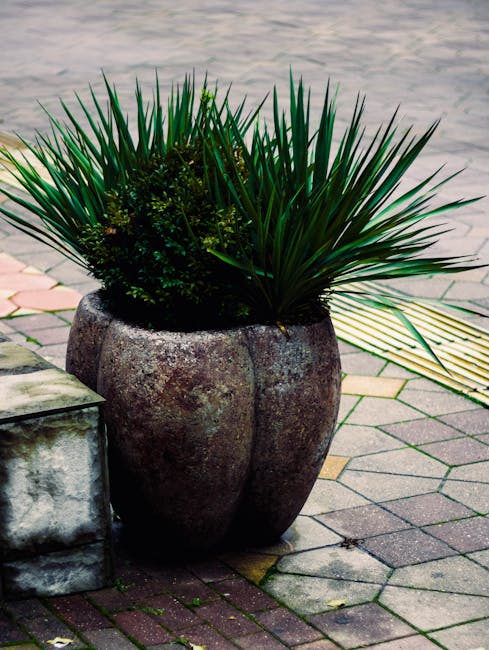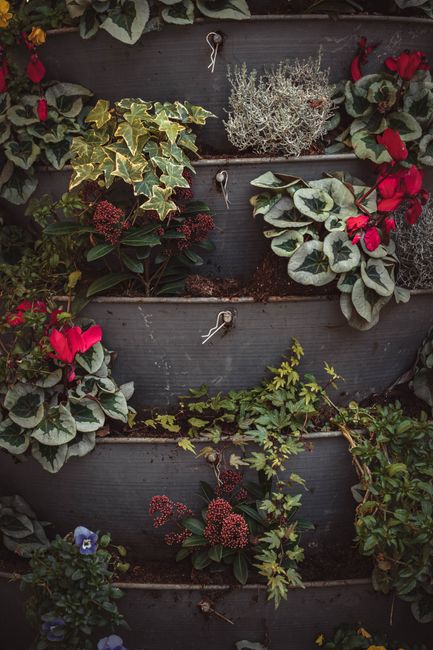
Longford High Street container garden gardeners near me: a practical guide to better pots, planters, and small-space planting
If you have been searching for Longford High Street container garden gardeners near me, chances are you want more than a quick tidy-up. You probably want a local gardener who understands planters that dry out too fast, balconies that catch the wind, small front spaces that need to look smart year-round, and the plain reality of keeping container plants alive through a British winter. Fair enough. Containers can look effortless from the pavement, but behind the scenes they need proper judgement, regular care, and a bit of patience.
This guide breaks down what container garden gardeners actually do, why local knowledge matters, how the service works, and what to ask before you book. You will also find a comparison table, a checklist, and a realistic example so you can make a confident decision without guesswork. If you want a broader overview of garden support, the site's gardening services page is a helpful place to start.
Why Longford High Street container garden gardeners near me Matters
Container gardening is one of those things that looks simple until you live with it. A few lovely pots on a doorstep or terrace can transform a space, but containers are far less forgiving than borders. They warm up quickly, cool down quickly, and lose moisture much faster. That means a plant in a pot can go from fine to stressed in a surprisingly short time, especially in sunny spells, windy spots, or periods of cold rain followed by sudden warmth.
That is why local container garden gardeners matter. A gardener who works in Longford High Street is more likely to understand the practical rhythm of the area: exposed pavements, sheltered corners, mixed shade, seasonal wind, and the kind of day-to-day upkeep that keeps a display looking intentional rather than neglected. Truth be told, the difference between "pretty" and "scruffy" is often only one missed watering, one overgrown plant, or one tired planter away.
Local gardeners also tend to be better at designing for real life. If you need easy care because you travel often, have mobility limits, or simply do not want another complicated weekend job, the right person will shape the planting plan around that. Not around fantasy-garden perfection. Around what actually works.
There is another reason this matters: container displays are often front-facing. They shape first impressions. A tidy entrance with healthy planting can soften hard paving, make a townhouse feel warmer, and even help a small business look more welcoming. A dead planter by the door does the opposite. Harsh, but true.
How Longford High Street container garden gardeners near me Works
Container garden care usually begins with a simple review. A gardener will look at the pots you already have, the size and material of each container, where the sunlight falls, how much wind the area gets, and what kind of plants are already struggling or thriving. That first assessment matters more than people think. Many container problems are not plant problems at all; they are placement or drainage problems in disguise.
From there, the gardener may recommend a refresh, a partial redesign, or ongoing maintenance. In many cases the work falls into a few broad stages:
- Assessment - checking drainage, plant health, soil condition, and the look of the arrangement.
- Planning - choosing plants that suit light, shelter, colour preference, and maintenance level.
- Preparation - replacing tired compost, improving drainage, and cleaning the containers if needed.
- Planting or replanting - placing plants in a balanced way so they have room to grow.
- Aftercare - watering, feeding, deadheading, pruning, and seasonal adjustments.
If you want a deeper look at the value of compact planting, the article on the joys of container gardening offers a useful companion read. It is especially relevant if you are still deciding whether containers are the right format for your outdoor space.
Good container gardeners do not just "add plants". They think in layers. They think about height, texture, colour through the year, and whether the planting still looks decent in February, not only in June. That's the real skill.
Key Benefits and Practical Advantages
Container gardening has a lot going for it, especially in urban and semi-urban settings. When done well, it gives you flexibility without asking for a full garden overhaul.
- Space efficiency - perfect for small front areas, patios, steps, and narrow strips.
- Better control - you can tailor the soil, drainage, and plant mix more precisely than in open ground.
- Visual impact - containers create immediate structure, colour, and height.
- Seasonal refreshes - easy to swap displays when a planting scheme begins to fade.
- Accessibility - raised pots can reduce bending, which is a blessing for many people.
- Flexibility - if a plant dislikes its spot, it can often be moved.
There are softer benefits too. A well-planted container by the front door can make a place feel cared for before anyone even steps inside. It is a small thing, but small things matter. The smell of fresh herbs near a kitchen door, or the sight of bright winter foliage on a dull morning, can lift a space more than you would expect.
For budget-conscious readers, a smart container plan can also be surprisingly economical over time. If you are trying to keep costs sensible, you may find the ideas in these low-maintenance garden tips useful, especially where hardy planting and simple upkeep are concerned.
Expert summary: container gardening works best when the planting is designed around the container, not when the container is treated as an afterthought. That simple shift saves time, money, and a lot of frustration.
Who This Is For and When It Makes Sense
Container garden gardeners are a strong fit for all sorts of people. In practice, the need usually falls into one of these groups:
- Homeowners with small outdoor spaces who want strong visual impact without digging up the whole area.
- Flat owners and terrace residents dealing with paved or balcony-style layouts.
- Busy households that want plants, but not a demanding planting schedule.
- Older homeowners who need easier access and less heavy lifting.
- Landlords or business owners who want a neat, reliable frontage.
- Gardeners recovering from failed pots where plants keep dying for no obvious reason.
It also makes sense when your outdoor space feels oddly unfinished. Maybe there is a bare step, a dull wall, or a patch of paving that needs softening. Containers are brilliant for that sort of job. They bring life to awkward corners without forcing structural change. And if you are still at the stage of figuring out broader gardening basics, the guide for first-time gardeners is worth a look.
One practical note: if you have pets or children, you may want a gardener who thinks carefully about plant choice and placement. That is not a niche concern. It is just sensible planning. The site's article on gardening with a dog and the piece on kid-friendly garden design both sit neatly alongside container planning if your household needs are a bit more complicated than average.
Step-by-Step Guidance
If you are booking help or doing a refresh yourself, a sensible container garden process usually looks like this:
- Walk the space properly
Look at where the sun hits in the morning and afternoon. Note wind exposure, shade from buildings, and any spots that stay soggy after rain. A quick five-minute glance is rarely enough. - Decide what the containers need to do
Do you want privacy, colour, herbs, structure, or year-round greenery? A container that should screen a view needs a different plan from one that simply adds seasonal cheer. - Check drainage and soil
Many container failures come from waterlogging or exhausted compost. If the compost is old, compacted, or sour-smelling, it may need replacing. Better to start fresh than keep hoping for a miracle. - Choose plants for the site, not just the look
Sun-loving planting in shade will sulk. Shade plants in blazing afternoon sun will burn. Simple as that. - Layer the design
Think thriller, filler, spiller if that style suits you, or just use height, mid-level texture, and trailing edges. You do not need a designer's vocabulary to get this right, just a decent eye and a bit of restraint. - Set a maintenance rhythm
Watering, feeding, deadheading, and clipping should be planned in. A lovely pot can turn shabby in a fortnight if nobody checks it. - Review seasonally
Spring and autumn are the key moments. Swap tired annuals, trim back woody growth, and protect vulnerable roots before colder weather arrives.
If you prefer a more design-led approach, the article on zen garden design tips can help you think more clearly about shape, calm, and visual balance. And if your space is tight, the guide to vertical plants is a smart companion piece.
A small but important tip: take a photo before and after each season. You will notice patterns you would otherwise miss. Which pot dries out first? Which plant always sprawls too soon? Which corner looks flat by October? Those little clues save time later.
Expert Tips for Better Results
Here is where experience really pays off. A container display is rarely improved by doing more; more often it is improved by doing the right things consistently.
- Use the right container size - too small, and roots overheat or dry out quickly. Bigger often means steadier moisture and healthier growth.
- Mix textures - glossy leaves, fine grasses, and broad foliage create a more polished look than three similar plants lined up together.
- Prioritise drainage - ensure pots are raised slightly off the ground where appropriate, and never let them sit in standing water for long periods.
- Don't overfeed - too much fertiliser can push weak, sappy growth that looks lush for a week and then collapses.
- Rotate the pots if needed - sometimes a plant just needs a better angle. The humble turn of a container can help more than people expect.
- Choose at least one evergreen element - this keeps the display from looking empty in winter.
For shady or partially shaded container schemes, the article on evergreen climbers for shaded areas offers good planting ideas that can also work near walls and screens. If your front space is windy, the post on handling high winds in your garden is especially relevant. Wind can wreck a container scheme fast, and it is easy to underestimate.
Key takeaway: healthy container gardens are built on repetition, not heroics. A little watering, a little deadheading, and a little seasonal reset will usually beat one big rescue mission later.
And yes, there is still a place for instinct. If a pot looks crowded or tired, it probably is. You do not need to overthink every decision. Sometimes the plant just tells you. Quietly, but clearly.
Common Mistakes to Avoid
Let's face it, most container problems come from a handful of very ordinary mistakes. Nothing mysterious. Just easy things to miss when life is busy.
- Using pots with poor drainage - waterlogged roots are a common cause of decline.
- Choosing plants that are too big for the space - what looks good at planting time can become chaotic by midsummer.
- Ignoring seasonal stress - hot pavements, winter frost, and gusty corners all take a toll.
- Letting compost age too long - spent compost loses structure and nutrients.
- Forgetting maintenance access - if you cannot reach the back pot, someone eventually stops watering it properly. Humans, eh?
- Trying to do too many styles at once - a cluttered mix of themes can make even expensive containers look unplanned.
Another common issue is treating all containers the same. A glazed pot in a sheltered corner behaves differently from a lightweight trough on a windy step. If you want long-term success, the placement and material matter just as much as the plants themselves.
For weeds, ivy, and overgrowth around container zones or nearby paving, these articles can help with the bigger picture: strategic weed control and stopping ivy from coming back. Sometimes the issue is not the pot at all; it is the space around it.
Tools, Resources and Recommendations
Good container work relies on the right basics. You do not need a garage full of gear, but a few tools make life easier and the results better.
- Hand trowel and hand fork - for planting, lifting, and breaking up compacted compost.
- Watering can with a fine rose - helps avoid blasting soil away from roots.
- Secateurs - for deadheading and light pruning.
- Quality compost - choose something suited to the plants, not just the cheapest bag available.
- Slow-release feed or liquid fertiliser - used carefully, it supports steady growth.
- Moisture meter or simple finger test - yes, the old finger test still works fine.
- Plant labels or a note on your phone - especially useful if you swap plants seasonally.
If you are setting up from scratch, the article on top equipment for keen outdoor gardeners is a useful practical read. If you want to keep things simple and edible, the guide to growing a homemade herb garden is a nice option for kitchens, patios, and sunny steps.
For resilience over colder months, you may also find keeping your garden flourishing through winter chill a sensible companion article. Container plants often need protection before the first hard frost, not after it has already arrived.
Law, Compliance, Standards, or Best Practice
Container gardening is not usually a heavily regulated activity, but there are still sensible standards and responsibilities to keep in mind. In the UK, gardeners working on private property should follow normal health and safety practice, use equipment responsibly, and avoid causing damage to neighbouring property, shared access ways, or public footpaths. That last bit is common sense, but it matters.
If containers sit in shared areas, entrances, or business frontage, they should not create a trip hazard or block access. Heavier pots should be placed carefully because moving them later can be awkward and, frankly, a bit of a back-saver if planned right from the start. If water runoff could affect paving, decking, or internal thresholds, drainage should be thought through before planting begins.
For anyone commissioning work, it is sensible to check how a gardener handles insurance, safety practices, and terms. The site's pages on insurance and safety, health and safety policy, terms and conditions, and payment and security are useful trust signals when you are deciding who to invite onto your property.
It is also reasonable to ask about complaint handling and quotes before work starts. A clear process is a good sign, not a fussy one. The pages on complaints procedure and pricing and quotes help set expectations in a straightforward way.
Options, Methods, or Comparison Table
Different container approaches suit different goals. If you are unsure what style fits your space, this comparison may help.
| Approach | Best for | Maintenance level | Notes |
|---|---|---|---|
| Mixed seasonal display | Colour, variety, front-door impact | Medium | Looks lively, but needs refreshing through the year. |
| Evergreen structure planting | Year-round form and stability | Low to medium | Good where you want reliable winter presence. |
| Herb containers | Kitchen access and practicality | Medium | Need enough sun and regular picking to stay productive. |
| Low-maintenance foliage scheme | Busy households or rental properties | Low | Less colour drama, but dependable and neat. |
| Vertical container grouping | Small spaces and visual height | Medium | Works well near walls, steps, or narrow frontages. |
If you want to lean into low-fuss planting, the piece on budget-friendly greenery is a sensible match. If you want a more layered, design-heavy result, the article on great garden seating areas can help you think about how containers work beside furniture and social spaces.
Case Study or Real-World Example
Here is a realistic example from a typical Longford High Street-style setting. A small terrace frontage had three tired pots by the door, all using different compost, with one pot sitting in full afternoon sun and the others in deep shade. The result was predictable: one pot dried out constantly, one looked leggy, and one had become a home for more weeds than flowers.
The reset was simple but thoughtful. First, the old compost was replaced. Then the pots were grouped by light levels instead of by appearance alone. A taller evergreen form was placed at the back, a mid-height foliage plant was used for body, and a trailing plant softened the front edges. The most exposed pot was moved slightly in from the pavement line to reduce wind stress. Nothing dramatic, just smarter positioning.
Within a few weeks, the whole frontage felt calmer and more deliberate. More importantly, it became manageable. Watering was easier, deadheading was quicker, and the owner stopped dreading the weekly glance at the pots. That is often the hidden win with container gardening: it becomes a pleasure again instead of a little guilt parade every time you walk past it.
If a container scheme has become badly neglected, you might also find the article on reviving a neglected garden surprisingly relevant. The principles are similar: clear out the dead weight, simplify the structure, and start from what the site can genuinely support.
Practical Checklist
Use this checklist before you hire help or refresh your own containers:
- Check how much sun, shade, and wind the space gets.
- Inspect drainage holes and pot condition.
- Decide whether you want colour, privacy, herbs, or low-maintenance structure.
- Choose plants that suit the actual site, not just the catalogue photo.
- Refresh tired compost rather than trying to rescue it forever.
- Keep at least one evergreen element for winter interest.
- Make sure pots can be reached for watering and pruning.
- Plan seasonal maintenance so the display does not fade unnoticed.
- Ask about insurance, safety, payment, and quote clarity.
- Consider whether the result should complement nearby paving, seating, or entrances.
Useful reminder: if your containers are part of a larger outdoor refresh, it may be worth exploring about us to understand the team behind the work, alongside the broader garden maintenance support available.
Conclusion
Finding the right Longford High Street container garden gardeners near me is really about finding someone who sees the full picture: the light, the wind, the upkeep, the look from the street, and the reality of your routine. Containers can be brilliant, but they reward thoughtful care. When they are done well, they bring structure, colour, and a sense of calm to spaces that might otherwise feel hard and overlooked.
If you want your planters to feel polished rather than patched together, look for someone who asks proper questions, explains their choices clearly, and thinks beyond the first bloom. That is where the long-term value sits. Not in a flashy one-off display, but in something that keeps looking good after the novelty wears off.
And if your space has been nagging at you for months, there is no need to keep putting it off. Sometimes the smallest outdoor changes are the ones that make a place feel like home again.
Get a free quote today and see how much you can save.
If you are ready to take the next step, reach out through the contact page and talk through what your containers need, what your space can handle, and what a realistic maintenance plan might look like.
Frequently Asked Questions
What do container garden gardeners near me actually do?
They assess, design, plant, refresh, and maintain container displays. That can include compost replacement, watering routines, pruning, feeding, replanting, and improving the overall look of the space.
Is container gardening suitable for small front gardens?
Yes, very much so. Containers are one of the best ways to add structure and colour to a small space without committing to major landscaping.
How often do container plants need watering?
It depends on the plant, pot size, weather, and sun exposure. Some containers need daily attention in warm weather, while others may need less. The key is checking regularly rather than guessing.
Why do my pots keep drying out so fast?
Usually because the containers are too small, too exposed, or filled with compost that loses moisture quickly. Wind, direct sun, and dark absorbent pots can all make things worse.
Can a gardener help redesign old containers without replacing everything?
Yes. A good gardener can often keep the containers you already have and simply refresh the planting, soil, and layout. That can save money and reduce waste.
Are low-maintenance container gardens really possible?
Absolutely. The trick is using the right plants, the right pot size, and a sensible maintenance plan. Low-maintenance does not mean no-maintenance, though. It just means less fuss.
What plants work best in containers in the UK?
That depends on the site conditions. Hardy evergreens, herbs, compact shrubs, grasses, and seasonal flowers can all work well if matched to light and shelter. A local gardener can narrow this down properly.
How do I know if my containers need repotting?
If plants are root-bound, the compost looks tired, water runs straight through, or growth has become weak, repotting is likely due. Sometimes a pot is simply too cramped for what is in it.
Can container gardens help with privacy?
Yes. Taller planting, climbers, and layered container groupings can soften views and create a sense of screening. For stronger privacy ideas, the article on fast-expanding hedge options may also be useful alongside container planning.
Do I need a gardener in every season?
Not always, but seasonal checks are very helpful. Spring and autumn are especially important for refreshing plantings, protecting roots, and preventing displays from going stale.
What should I ask before hiring a local gardener?
Ask about their experience with containers, what they recommend for your light conditions, how they handle safety and insurance, how quotes work, and whether they offer ongoing maintenance or one-off refreshes.
Is container gardening expensive?
It can be as modest or as premium as you choose. Costs depend on plant selection, container quality, and how much redesign is needed. A clear quote helps you see where the money goes and where you can keep things simple.