
 020 3744 3778
Breezy Breakthrough: Handling High Winds in Your Garden
Posted on 19/08/2025
Breezy Breakthrough: Handling High Winds in Your Garden
Is your garden struggling against relentless gusts? If you live in a location that experiences fierce breezes, you know all too well the challenges high winds can bring. From stunted plants to toppled trellises, wind can wreak havoc on your green haven. But don't worry--this comprehensive guide will equip you with strategies and tips for handling high winds in your garden, ensuring your outdoor sanctuary flourishes, no matter how blustery it gets.
Understanding the Impact of High Winds on Your Garden
Wind is an invisible force that can have visible, sometimes devastating, effects on your garden. Before diving into solutions, it's essential to understand how high winds affect your plants and garden structures. Knowing what you're up against will make it easier to select the best wind-resistant strategies for your yard.
How Strong Winds Affect Plants
- Physical Damage: Leaves, stems, and flowers can be snapped, shredded, or desiccated by high winds.
- Water Loss: Fast-moving air increases evaporation, leading to stressed, dehydrated plants.
- Root Disturbance: Wind may rock plants, damaging their roots or even uprooting them entirely.
- Crop Yield: Vegetable and fruit production can be significantly reduced due to pollination disruptions and physical stress.
Recognizing these risks is your first big step toward a breezy breakthrough in garden wind management.

Evaluating Your Garden's Wind Exposure
Every garden is unique. The way wind interacts with your space depends on landscape features, building placement, and the orientation of your garden. Here's how to survey your outdoor area:
Identify the Prevailing Wind Direction
- Observe Weather Patterns: Note the direction of the strongest winds throughout the year.
- Use Local Resources: Check wind data from local weather services or online apps.
Locate Wind Funnels and Traps
- Gaps Between Buildings: Narrow spaces can accelerate wind, creating mini-tornadoes.
- Open Exposures: Unprotected sides of your property are more vulnerable.
- Highlight Microclimates: Fences, walls, and other features can create relatively sheltered spaces.
By identifying where your garden is most wind-exposed, you can target solutions for maximum effectiveness.
Designing Wind-Resistant Gardens: Strategies for Success
Optimizing your garden layout and incorporating wind-resistant features can minimize wind damage and promote healthy, resilient plants. Below are proven design techniques to help you manage high wind conditions in your garden:
1. Install Effective Windbreaks
Windbreaks are barriers that reduce wind speed and shelter your garden from damaging gusts. There are various types of windbreaks, each with its own pros and cons.
- Living Windbreaks: Rows of trees, shrubs, or tall grasses that slow and filter wind. Choose native, deep-rooted plants adapted to your climate for the best results.
- Fencing and Screens: Lattice panels, woven willow, and mesh screening allow some airflow while dampening wind's force.
- Garden Structures: Pergolas, trellises, and arbors can double as decorative features and partial wind barriers.
Tip: Solid barriers can create turbulence as wind flows up and over. For maximum protection, opt for semi-permeable windbreaks that reduce wind speed rather than blocking it entirely, preventing damaging eddies.
2. Layered Planting and Strategic Placement
- Create Plant "Buffers": Place sturdy, wind-tolerant shrubs and perennials on the windward side of sensitive plants.
- Stagger Your Plantings: Arrange beds in staggered or zigzag patterns, making it harder for gusts to find a straight path.
- Cluster Containers: Group potted plants together, using larger pots or decorative stones at the front as a windbreak.
Pro Tip: Use companion planting techniques to combine wind-hardy varieties with delicate plants, giving vulnerable species extra protection.
3. Optimize Your Garden Layout for Wind Deflection
- Terracing and Raised Beds: These structures can reduce wind exposure and soil erosion on sloped gardens.
- Hedges and Berms: Earth mounds or dense hedges reduce wind speed and serve as attractive landscaping elements.
- Position Tall Structures Wisely: Place trellises, sheds, or greenhouses strategically, using them as windbreaks while avoiding creating dangerous wind tunnels.
Protecting Plants from High Winds
In areas with frequent storms or consistent high winds, taking specific steps to safeguard your plants will yield stronger, healthier growth and bigger harvests.
Choose Wind-Tolerant Plants
- Native Grasses: Ornamental grasses like Muhlenbergia, Panicum, and Miscanthus are naturally flexible and thrive in breezy conditions.
- Resilient Shrubs: Consider sea buckthorn, escallonia, or viburnum in exposed borders.
- Sturdy Perennials: Coneflowers, yarrow, and lavender combine beauty with toughness.
Research your local climate and select species proven to withstand regular wind exposure.
Staking and Support for Vulnerable Plants
- Stakes: Use wooden, bamboo, or metal stakes for new trees, tall flowers, and young shrubs. Tie loosely to avoid damaging stems.
- Guy Wires: For larger trees, anchor the trunk with flexible ties attached to ground stakes.
- Plant Cages: Tomato cages and peony rings offer 360-degree support for brittle stems.
Check ties regularly--as plants grow, you'll want to loosen or adjust supports to prevent girdling and damage.
Mulching for Soil and Root Protection
- Organic Mulch: Bark, compost, or straw reduces moisture loss and insulates roots against buffeting from above.
- Stone Mulch: In extremely exposed areas, gravel or small rocks can help anchor soil while reducing evaporation.
Don't forget! Deep watering before dry, windy spells helps plants better withstand moisture-robbing gusts.
High-Wind Garden Maintenance & Emergency Actions
Routine maintenance is a crucial part of handling high winds in your garden. Quick, targeted responses after storms or blustery days will minimize damage and speed recovery.
Regular Upkeep
- Prune Wisely: Remove deadwood and thin crowded branches in trees and shrubs. Well-pruned plants offer less wind resistance and are less likely to break.
- Inspect Structures: Check fences, trellises, and supports for stability. Tighten bolts and replace damaged components before storms hit.
- Debris Management: Remove loose objects that could become dangerous projectiles in high winds.
After the Storm: Recovery Steps
- Assess Damage: Survey your garden for broken branches, flattened beds, or uprooted plants.
- Remove Broken Plant Material: Cut or prune damaged stems to prevent disease and encourage new growth.
- Re-stake Leaning Plants: Carefully right any toppled plants and provide extra support as needed.
- Water and Mulch: Refresh mulch and give roots a deep drink to help them recover from wind stress.
Garden Tools & Products to Combat Wind Damage
Innovation can be your biggest ally in the war against wind. Here are some helpful products and tools to make your garden more wind-resilient:
- Flexible Tree Ties and Anchors: Secure young trees and vulnerable shrubs without cutting into bark.
- Adjustable Plant Cages: Offer customized support to a variety of plants through the growing season.
- Heavy-Duty Mulch Mats: Anchor lightweight mulch in place, even during gusty spells.
- Semi-Permeable Windbreak Netting: Temporary or permanent mesh barriers for sensitive areas or new plantings.
If DIY is your style, creative upcycling--like using old pallets, bamboo, or woven branches as rustic windbreaks--can add character and function to your garden's wind defense system.
Frequently Asked Questions about High Wind Garden Solutions
Let's answer some common queries gardeners have about surviving and thriving during windy periods:
What plants can withstand strong winds?
Plants with flexible stems, deep roots, or naturally dense forms are best. Native ornamental grasses, lavender, juniper, rugosa rose, and most conifers are renowned for their wind resistance.
How high should a windbreak be to protect my garden?
A general rule is that a windbreak will shelter an area up to 10-20 times its height. For example, a hedge or fence 2 meters high may protect a space 20-40 meters downwind.
Should I plant trees or install a fence for wind protection?
Both are effective. Use a combination of living and structural windbreaks for layered protection and improved biodiversity. Semi-permeable fencing allows air to filter through, reducing damaging turbulence.
How can I prevent soil erosion caused by wind?
- Apply organic mulch or gravel to anchor soil and retain moisture.
- Plant groundcovers or low-growing perennials to shield bare earth.
- Use terracing or raised beds on slopes.
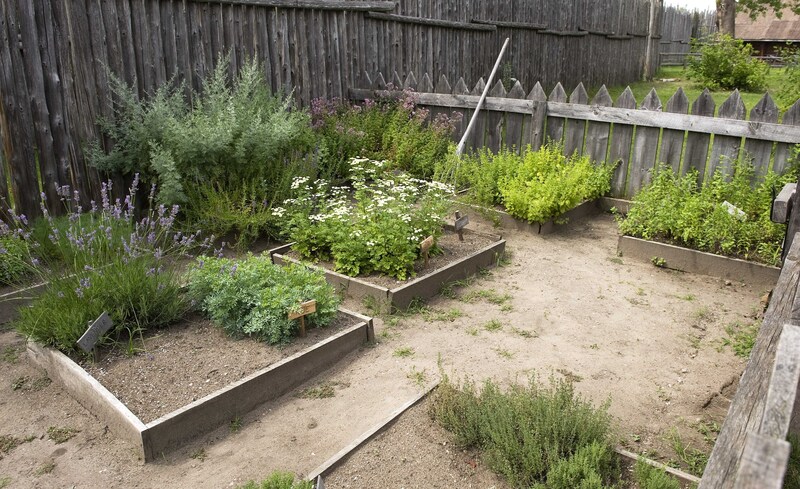
Your Breezy Breakthrough: Create a Wind-Resistant Oasis
Don't let high winds blow your gardening dreams away! With thoughtful design, strategic plant choices, and proper maintenance, your garden can thrive even in the windiest climates. Here's a recap of the most effective strategies:
- Analyze your garden's wind exposure and identify the most vulnerable spots.
- Install windbreaks using a mix of living plants and structural barriers.
- Pick plants that can withstand and even thrive in breezy conditions.
- Stagger and layer your plantings for maximum shelter.
- Support vulnerable species with stakes, ties, and cages.
- Mulch well to prevent moisture loss and soil erosion.
- Prune, maintain, and inspect your garden regularly for best results.
Remember, handling high winds in your garden isn't just about defense--it's about working with nature. By embracing wind-smart gardening techniques, you can create a lush, beautiful, and resilient outdoor space.
Conclusion: Embrace a Stronger, Greener Garden
Wind may be wild, but your garden doesn't have to suffer. Whether you battle the occasional gale or face persistent blustery days, the advice in this in-depth guide will help you master the art of gardening in windy conditions. Start making changes today for a thriving, beautiful garden that stands tall, no matter how hard the wind blows!
Your breezy breakthrough begins now--happy gardening!
Latest Posts
Keeping Your Garden Flourishing Through Winter Chill
Exploring Gardening as a Key to Climate Resilience
Revive, Renew, and Refresh Your Neglected Garden