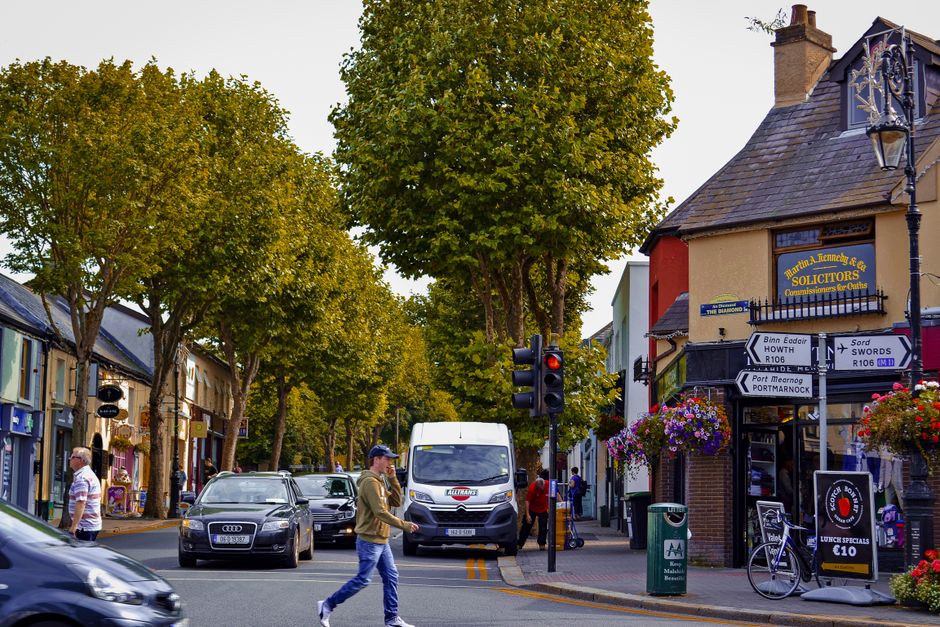
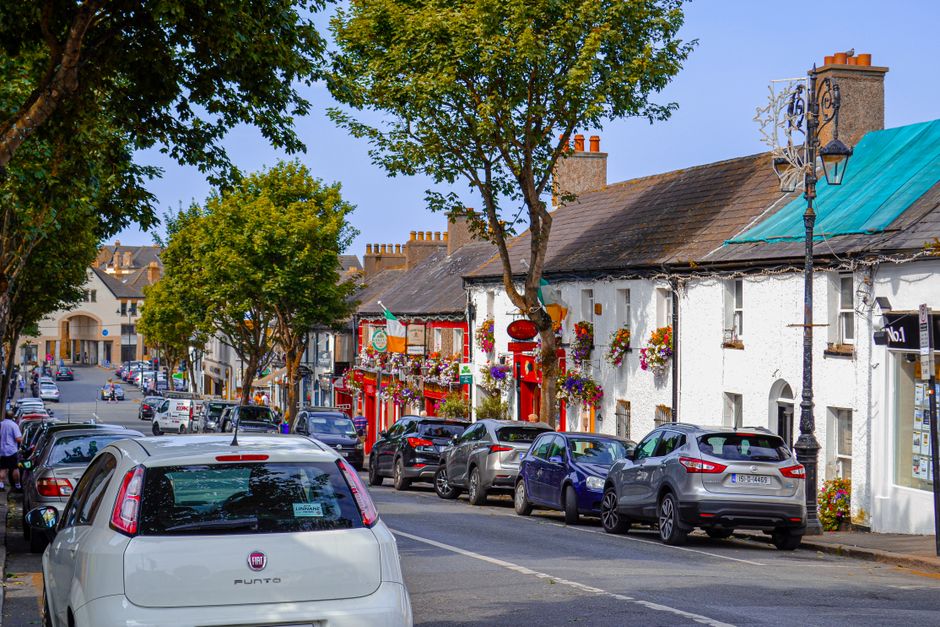
Delays and access issues for Longford gardeners on narrow streets
If you live on a narrow street, you already know the drill: delivery vans pause halfway up the road, wheelie bins make a neat little obstacle course, and a job that should take an hour can suddenly take longer than expected. Delays and access issues for Longford gardeners on narrow streets are usually not about poor planning, but about real-world space limits, parking, turning room, and the practical hassle of moving tools safely. This guide explains what causes the slowdown, how good garden teams work around it, and what you can do to keep your booking smooth from the start.
Whether you need regular maintenance, a one-off clearance, or a more involved project, a little preparation goes a long way. Truth be told, the difference between a frustrating visit and a tidy, efficient one is often just a few small decisions made before anyone arrives.
Table of Contents
- Why Delays and access issues for Longford gardeners on narrow streets Matters
- How Delays and access issues for Longford gardeners on narrow streets Works
- Key Benefits and Practical Advantages
- Who This Is For and When It Makes Sense
- Step-by-Step Guidance
- Expert Tips for Better Results
- Common Mistakes to Avoid
- Tools, Resources and Recommendations
- Law, Compliance, Standards, or Best Practice
- Options, Methods, or Comparison Table
- Case Study or Real-World Example
- Practical Checklist
- Conclusion
- Frequently Asked Questions
Why Delays and access issues for Longford gardeners on narrow streets Matters
Access issues are not a minor inconvenience. On tight residential streets, they can shape the whole job from the moment a gardener arrives. If parking is awkward, if there's no safe place to unload, or if tools need to be carried a long way, the time spent setting up may rival the time spent actually working. That affects punctuality, labour, and sometimes even what can realistically be completed in one visit.
For homeowners, this matters because expectations need to be realistic. A simple lawn tidy in a wide-open driveway setting is one thing. A hedge trim where the team has to park round the corner and carry ladders past parked cars is another. The work may still be straightforward, but the logistics are not. And yes, that makes a difference.
For gardeners, delays can also create knock-on effects. One late start on a narrow street can affect the next booking, especially when bins, school-run traffic, or construction vehicles are part of the daily scene. In our experience, the best results come when everyone treats access as part of the job, not an afterthought.
It also links directly to safety. Narrow streets often mean less room for reversing, less visibility, and more chances for trips or dropped equipment. The safest approach is to slow down, plan the approach, and be honest about what the site allows. No drama, just sensible working.
If you are comparing garden services, it is worth looking at providers that already think this way. A company that is transparent about pricing and quotes, and that explains how access affects timing, will usually be easier to deal with than one giving vague promises and hoping for the best.
How Delays and access issues for Longford gardeners on narrow streets Works
The process is usually simple, but the details matter. A gardener will assess the access route, check where equipment can be unloaded, and decide whether the job can be completed in one visit or needs a modified plan. On a narrow street, the challenge is often not the garden itself. It is getting people, tools, and waste in and out without blocking neighbours or creating avoidable delays.
Typical pinch points include:
- limited parking close to the property
- tight front paths or shared entrances
- steps, slopes, or uneven paving
- low branches, narrow gates, or awkward side access
- restricted space for loading green waste
- timing conflicts with refuse collection or school traffic
Access issues can affect almost every common service. For example, lawn mowing may be delayed by tool unloading, while hedge trimming may need extra time for ladder positioning and safe cutting clearance. A bigger job like garden clearance can be more sensitive still, because green waste bags, cuttings, and bulky debris all have to move through the same limited route.
It is also common for small access delays to build up. Five minutes here, ten minutes there, a quick stop to move a car, and suddenly the day runs late. That is why experienced gardeners often build a buffer into their schedule. It is not laziness; it is realism.
Good planning usually includes a quick pre-visit conversation. A customer might mention that the road is too narrow for turning, or that a neighbour often parks opposite the gate. This kind of detail is gold. It lets the team bring the right kit, plan the loading sequence, and avoid awkward surprises when they arrive.
If the work involves more specialised tasks, access planning becomes even more important. For instance, tree work often needs controlled positioning and clear working space. You can explore related services such as tree surgery and tree lopping and removal to see how wider site access can influence the delivery of a job.
Key Benefits and Practical Advantages
When access is managed well, the whole experience tends to feel calmer and more predictable. That sounds obvious, but on a crowded street it is a genuine advantage. The gardener spends more time working, less time negotiating around parked cars, and the customer gets a better sense that the job is under control.
Some of the most practical benefits are:
- More accurate timing - the team can estimate the visit more sensibly when they know the road layout.
- Lower risk of disruption - less chance of blocking neighbours, delivery drivers, or shared access points.
- Better safety - fewer rushed manoeuvres with ladders, mowers, or heavy bags.
- Cleaner workmanship - teams can focus on the garden instead of constantly adjusting for access problems.
- Smoother waste removal - cuttings and debris can be moved out without awkward bottlenecks.
For customers, there is another quiet benefit: trust. When a gardener explains that narrow streets may change the schedule a bit, that honesty usually feels reassuring rather than annoying. You know where you stand. And that matters far more than a polished sales line.
There can also be financial upside. Jobs that are prepared properly are less likely to run overtime due to preventable access headaches. If you are arranging regular upkeep, such as garden maintenance or lawn care, a stable access plan can keep visits efficient across the season.
Expert summary: on narrow streets, the best garden jobs are usually the ones where access is discussed early, parking is thought through properly, and the work plan is shaped around the property rather than forcing the property to fit the plan. Simple, but not always simple, if you know what I mean.
Who This Is For and When It Makes Sense
This topic matters to a few different groups. If you are a homeowner or landlord on a narrow road, you may already have learned that even a routine visit needs a bit more coordination than a suburban driveway job. If your garden is behind a terrace, down a side passage, or accessed through a shared front path, you are right in the middle of the issue.
It also makes sense for:
- elderly residents who need a dependable and low-disruption service
- busy families who want jobs completed efficiently around school runs and working hours
- landlords preparing a property between tenancies
- households with overgrown front gardens facing an access bottleneck
- customers planning larger work like landscaping, fencing, or decking
Some jobs are more sensitive to narrow access than others. For example, fencing often involves longer materials that need careful carrying and stacking. Decking services and landscaping can require repeated movement of boards, soil, aggregate, or tools. That does not make the work impossible. It just means planning becomes part of the job, not a side note.
When does it make sense to flag access issues? Honestly, almost always. If you are not sure whether the street will cause a delay, mention it anyway. A brief heads-up now is better than a stressed conversation after the crew has arrived and nowhere sensible to park.
Step-by-Step Guidance
Here is the practical way to reduce delays and make narrow-street access much easier to handle.
- Describe the access clearly before booking. Say whether parking is limited, whether there is a narrow gate, and whether tools must be carried some distance.
- Send a photo if helpful. A quick phone photo of the frontage, side return, or alleyway can prevent a lot of guesswork. Not glamorous, but very useful.
- Note any parking restrictions. Residents' bays, school drop-off times, time-limited bays, or permit-only areas can all change arrival timing.
- Check gate widths and obstacles. Wheelie bins, bikes, planters, and low branches can all narrow the path further.
- Agree the best arrival window. Early morning may be calmer than late afternoon on some streets. On others, it is the opposite. Local knowledge helps.
- Plan waste movement in advance. For clearance jobs, ask how green waste will be bagged, lifted, and removed.
- Keep the route as open as possible. Move cars, garden furniture, toys, and bins if you can. Small effort, big payoff.
- Confirm if the job needs extra time. If access is tight, a slightly longer slot may avoid rushing later.
One thing we often see: customers apologise for the access. There is usually no need. Narrow streets are just part of the environment. A decent gardener will work with that, not make you feel awkward about it.
If you are arranging something more seasonal, like hedge cutting or a one-off tidy-up before visitors arrive, build in a bit of breathing room. A tidy garden looks better when the work is not done in a panic. Weirdly enough, calm timing shows up in the finish.
Expert Tips for Better Results
These are the details that make a proper difference in the real world.
Give the crew the shortest route, not just the postcode
A postcode gets them to the area. It does not explain whether the easiest unloading spot is the front, the side, or round the back. If the front road is tight but the rear lane is workable, say so. That little bit of direction can save ten minutes straight away.
Think in layers: arrival, unloading, working, loading out
Access issues do not just happen at the front door. They happen in stages. A job can start slowly, run smoothly in the middle, and then stall again when waste has to be removed. A good plan covers the whole visit, not just the first step.
Keep a backup parking option in mind
If there is a nearby side street or another reasonable place to stop, mention it. The gardener may still need to assess it on arrival, but it helps to have a Plan B. Or Plan C. Narrow streets tend to invite extra options, or extra headaches. Sometimes both.
Match the service to the access reality
Light maintenance, mowing, and hedge trimming can usually be adapted quite easily. Bigger projects, such as landscape gardening or heavy clearance, need more detailed planning. That is not a problem. It just changes the conversation.
Be honest about what is awkward
If the side gate sticks, if the driveway slopes, or if the neighbour often blocks the route, say it. No one expects a perfect site. But they do need the truth.
To be fair, many delays are not really delays at all. They are simply unspoken assumptions meeting a tight street. Once those assumptions are cleared up, the job often moves along much better than expected.
Common Mistakes to Avoid
The most common mistake is not talking about access until the day of the visit. By then, the gardener may already be on a schedule, carrying the wrong equipment, or dealing with parking that was never mentioned. That is where frustration begins.
Other mistakes include:
- assuming a van can stop directly outside without checking restrictions
- forgetting that large tools may need a wider turning area than expected
- leaving bins, bikes, or garden furniture across the access route
- underestimating how long waste loading takes on a narrow street
- booking a complex job into a very tight time slot
Another one, and this is surprisingly common: treating the road as separate from the job. It isn't. The road is part of the working environment. If it slows the team down, it slows the job down. Simple as that.
For larger projects, the mistake can be trying to compress too much into one visit. A garden clearance followed immediately by fencing or hard landscaping may sound efficient, but if the access is difficult, it can be wiser to split the work into stages. That often leads to a cleaner result and fewer rushed moments.
Tools, Resources and Recommendations
You do not need specialised equipment to make access easier, but a few practical tools help a lot.
- Measure tape or quick width estimate: useful if you are unsure whether a gate or side return is wide enough for equipment.
- Phone camera: a couple of clear photos can help the gardener prepare properly.
- Bin labels or temporary markers: handy if you need to keep the access route clear on workday morning.
- Basic parking note: a short written note for household members can prevent someone parking in the wrong place.
- Short written job summary: helpful for recurring visits so access notes are not forgotten between appointments.
From a service point of view, the most useful pages to review are those that explain how a provider works, what they cover, and how they handle practical concerns. For example, the team's about us page can help you understand their general approach, while insurance and safety and the health and safety policy are worth checking if the job involves ladders, power tools, or manual lifting.
If you are comparing services or have a specific concern about timing, the easiest next step is often a direct conversation through contact us. That is usually quicker than second-guessing whether your street will be manageable.
For environmentally minded customers, it can also help to look at recycling and sustainability. On narrow streets, waste handling matters as much as the cutting itself, especially when there is not much space for temporary storage.
Law, Compliance, Standards, or Best Practice
Access on narrow streets is not just a convenience issue. It also touches on everyday legal and safety responsibilities. While the exact rules vary by location and council, good practice in the UK generally means not obstructing the highway, not creating unnecessary hazards for pedestrians, and not handling tools or waste in a way that puts people at risk.
Gardeners working with ladders, machinery, or heavy loads should follow sensible site safety procedures. That usually includes checking the ground, watching for trip hazards, and avoiding rushed manoeuvres where visibility is poor. It is also good practice to think about neighbours, pedestrians, and anyone passing through the area while the work is underway.
For customers, this means being upfront about anything that might affect safety. Steep steps, loose paving, shared access, or narrow corners should be mentioned early. If a provider has clear policies, that is reassuring. You can review details such as terms and conditions, privacy policy, and payment and security to understand how the company handles the practical and administrative side of a booking.
Another useful sign of professionalism is whether the company has an accessible, plain-English approach to customer care, including an accessibility statement and a clear complaints procedure. That does not solve access problems on its own, of course, but it does show that the business takes responsibility seriously.
Best practice in this area is not complicated. It is mainly about honesty, careful planning, and working in a way that does not create avoidable disruption. Which, in fairness, is exactly what most customers want anyway.
Options, Methods, or Comparison Table
Different jobs need different approaches. Here is a simple comparison of how access issues tend to play out depending on the type of work.
| Type of work | Typical access challenge | Best planning approach | General impact on timing |
|---|---|---|---|
| Routine lawn or border maintenance | Tool carrying and parking | Confirm the nearest safe unloading point | Usually small, if planned well |
| Hedge trimming | Ladders, clippings, and clearance around the frontage | Keep the access route open and allow extra setup time | Moderate if space is tight |
| Garden clearance | Waste volume and repeated trips out to the van | Discuss bagging, stacking, and loading flow in advance | Often noticeable on narrow streets |
| Fencing or decking | Long materials and storage space | Plan delivery and movement paths carefully | Can be significant without good access |
| Tree work | Safety zone, equipment, and waste handling | Allow a wider working area and check entry route carefully | Usually the most sensitive to access limits |
If you are deciding between a quick tidy and a larger project, think about how much movement the job requires. Less movement usually means fewer access headaches. More material, more tools, more risk of delay. Nothing fancy there, but it is a reliable rule of thumb.
Case Study or Real-World Example
Here is a simple real-world example based on a common kind of booking. A homeowner on a narrow terraced street wanted a front garden tidy, hedge reduction, and the removal of several bags of green waste. The road was tight, parking was limited, and a neighbour often left a car directly opposite the property.
Before the visit, the customer sent a photo of the frontage and explained that the best unloading space was actually fifty metres away, near the corner. That single detail changed the whole plan. The gardener arrived with the right equipment, parked once, and moved tools in a sensible sequence rather than carrying everything back and forth repeatedly.
The job still took a little longer than it would on a wide road, but not by much. More importantly, there were no awkward pauses, no frantic parking changes, and no surprise about how the waste would be removed. The customer said the visit felt calm. That is the kind of feedback that usually matters most on a cramped street.
There was one small hiccup: the side gate stuck slightly after a damp morning shower. Not a crisis, just one of those things. The team adjusted, worked around it, and carried on. Real jobs are like that sometimes. A bit messy at the edges, but manageable with the right mindset.
Practical Checklist
Use this checklist before a gardener arrives on a narrow street.
- Confirm the property address and the best access point.
- Check whether parking is permitted close by.
- Move bins, bikes, and furniture out of the route.
- Measure or estimate gate and passage widths if you are unsure.
- Send a photo of the frontage or side access if helpful.
- Flag any steps, slopes, loose paving, or low branches.
- Tell the gardener if waste will need extra handling or loading time.
- Agree a realistic visit window, not an over-tight one.
- Check whether the work involves mowing, hedge cutting, clearance, or heavier landscaping.
- Keep phones on hand in case the team needs a quick clarification on arrival.
Quick takeaway: if you can make the route clear, the day gets easier for everyone. It is a small thing, but on a narrow street, small things add up fast.
Get a free quote today and see how much you can save.
Conclusion
Delays and access issues for Longford gardeners on narrow streets are usually manageable when they are discussed early and handled with common sense. Most problems come from assumptions, not from the garden itself. If the road is tight, the gate is awkward, or parking is limited, say so up front and build the work around those realities.
That approach protects timing, improves safety, and makes the end result better. It also creates a far less stressful experience for you, your neighbours, and the people doing the work. And let's face it, a calm garden visit is better than a rushed one every single time.
With the right planning, even a tricky street can support tidy, reliable garden care. A little honesty, a little preparation, and the job tends to unfold exactly as it should.
Frequently Asked Questions
Why do narrow streets cause delays for gardeners?
Narrow streets can make parking, unloading, turning, and waste removal slower. Even a short job may take extra time if the crew has to carry tools from a distant parking spot or wait for access to clear.
Should I mention access problems before booking?
Yes. Always mention them early. A quick note about parking limits, narrow gates, or side access helps the gardener plan the visit properly and avoids awkward surprises on the day.
How much extra time should I allow for a narrow street?
It depends on the job. Light maintenance may need only a small buffer, while clearance, fencing, or tree work can need much more. A gardener should give a sensible estimate after learning the access details.
Can gardeners still work if there is no parking outside my house?
Usually yes, if there is a safe and realistic place nearby to park and unload. The job may take longer, but it is often still perfectly workable with a bit of planning.
What access details are most useful to share?
Parking restrictions, gate width, side passage access, steps, slopes, shared entrances, and any obstacles like bins or low branches are all helpful. Photos can make the picture much clearer.
Do narrow streets affect the price of garden work?
They can, depending on the extra time, labour, and logistics involved. Not every job changes in price, but difficult access can influence the quote, especially for larger or heavier work.
Is garden clearance harder on a narrow road?
Often, yes. Garden clearance usually means repeated loading of bags, branches, and debris, so access and parking can have a bigger impact than they would on a simple tidy-up.
What if my neighbour parks outside my gate?
That is a common issue. If it happens often, mention it before the visit so the gardener can plan around it. Sometimes a different arrival time makes all the difference.
Are narrow-street jobs less safe?
They can be if they are rushed or poorly planned. But with proper care, clear communication, and sensible movement of tools and waste, the work can still be carried out safely.
Which services are most affected by access issues?
Jobs involving heavy materials or lots of equipment are usually the most affected. That includes fencing, decking, landscaping, clearance, and tree-related work. Routine mowing and maintenance are often easier to adapt.
What should I do on the morning of the visit?
Clear the access route, move bins or vehicles if needed, and keep your phone nearby. If anything has changed since booking, let the gardener know as soon as possible.
Where can I learn more about how the company works?
You can review the company's about us information, along with its health and safety policy, recycling and sustainability, and pricing and quotes pages for a fuller picture of how bookings are handled.
If you want a team that understands tight access and straightforward communication, the next sensible step is to ask early, explain the street layout, and let the work be planned properly. Small bit of effort now, much calmer day later.